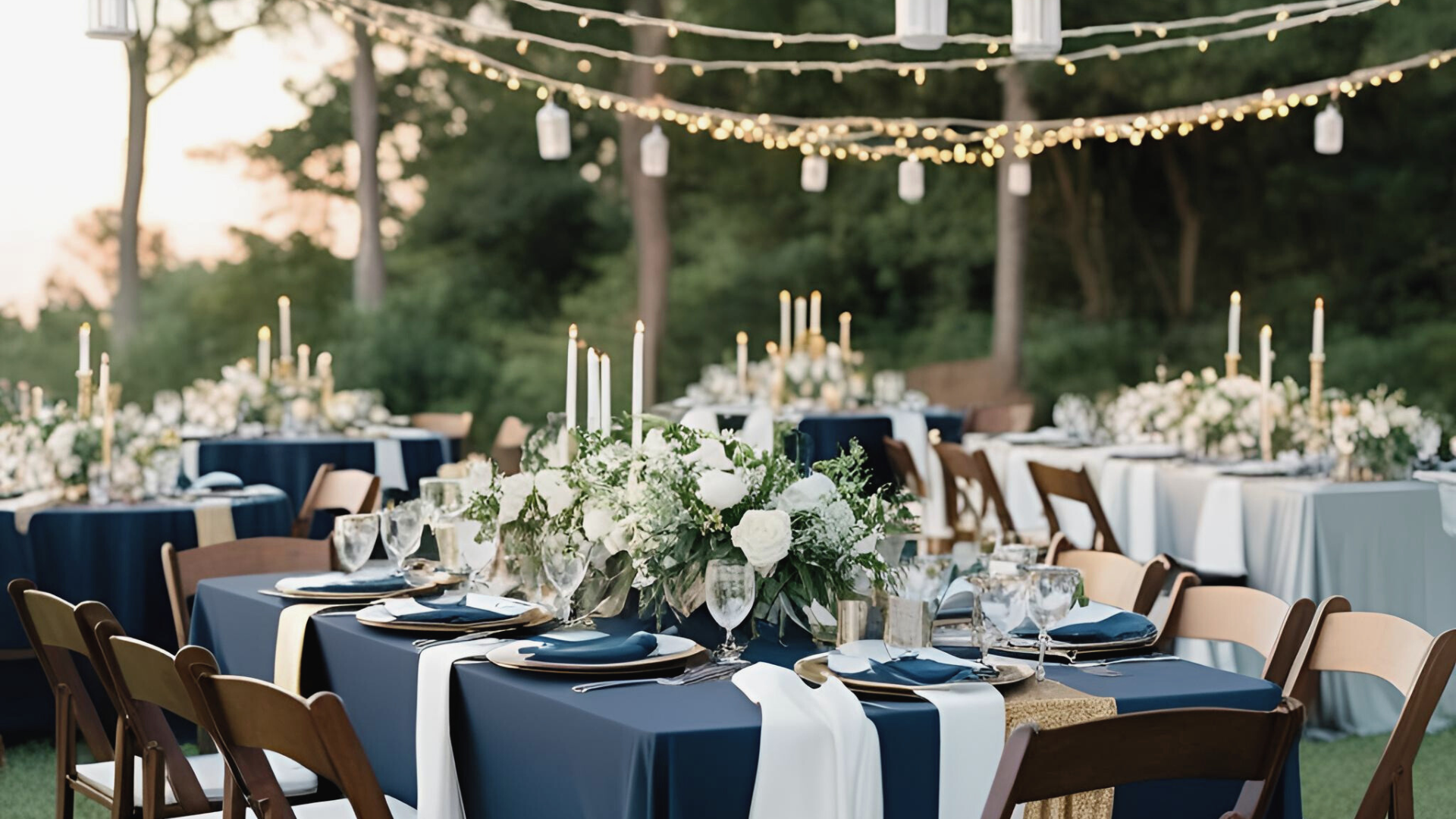

Teaching table manners to children doesn’t have to be boring or stressful – it can actually be a bonding experience for your family! With the right approach, you can turn it into a playful, hands-on activity that your little ones will enjoy (and you’ll probably get a few laughs out of it too). Whether it’s setting the table or figuring out what all those glasses are for, making it a family activity makes it easy and rewarding for everyone.
Here’s how you can make table etiquette fun and child-friendly while instilling valuable life lessons and skills.
Why Table Etiquette
First things first – why should kids learn table etiquette? Proper manners go beyond making a good impression at family dinners or special occasions. They teach respect, patience, and confidence. Whether it’s a casual family meal or a special event, good table manners can help children feel comfortable in any dining setting. Plus, teaching this early on fosters a sense of responsibility and independence.
Step 1: Make It Fun Right from the Start
Okay, so sitting down and explaining the do’s and don’ts of table etiquette might feel like a chore to your kids. Instead of going for a lecture, turn this into an interactive activity.
Create an Etiquette “Obstacle Course”
Set up a fun “challenge” where your kids can learn and practice skills step by step. For example:
- Challenge 1: Match the silverware! Lay out a variety of utensils and challenge kids to pick which fork, knife, or spoon should go where.
- Challenge 2: Proper napkin placement. Teach them how to fold their napkin or place it on their lap. Bonus points for napkin origami!
- Challenge 3: Glassware positioning. Use cups or glasses and have kids figure out where they should be placed in a formal setting.
By framing it as a game, they’re more likely to stay interested and engaged.
Step 2: Teach Table Settings in Layers
For younger kids, setting a formal table can be confusing at first. Make this simpler by teaching it in layers.
- Start with the basics:
- Plate in the center.
- Fork on the left, knife and spoon on the right.
- Napkin goes next to the fork or on the plate.
- Add more elements as they master the basics:
- Introduce glassware, like water glasses or wine-style glasses for fancier meals. Explain their typical use in simple terms.
- Teach the difference between salad forks, dessert spoons, and other utensils as they get more confident.
Make it fun by letting them set the table for a family meal or a pretend tea party. Incorporate bright tablecloths, playful napkins, or even themed dining experiences to get them excited.
Step 3: Turn Manners into a Game
Now that the table is set, it’s time to focus on manners! Kids tend to mimic what they see, so lead by example, but don’t stop there – introduce games to help them learn and practice.
“Manners Bingo”
Create a bingo card with phrases like:
- “Please” and “Thank you”
- No elbows on the table
- Use utensils, not fingers
- Wait until everyone is served
- Chew with your mouth closed
During dinner, watch for good manners, and mark them off when you see them in action. Whoever fills their card (or gets a bingo!) wins a small family-friendly prize, like picking the next film for family movie night.
“The Silent Request”
Teach non-verbal communication at the table with a little role-playing. For example:
- Cross your fork and knife on the plate to signal you’re done.
- Pass items like the breadbasket with both hands instead of reaching across others.
- Make eye contact and nod to ask for more water politely.
This adds a layer of creativity while reinforcing good dining habits.
Step 4: Reinforce Through Family Meals
Don’t save table manners for holidays or fancy dinners – practice them regularly! Use nightly family meals as a chance to reinforce lessons and enjoy quality time with your kids. Keep the atmosphere light – laugh about any missteps (nobody’s perfect!) and encourage progress over perfection.
Pro Tip: Occasionally, transform a regular weekly meal into a “special occasion.” Use candles, a centerpiece, or other decor to make it feel exciting. This gives kids more opportunities to practice their skills in “fancy” situations.
Step 5: Tap into Their Curiosity
Kids often love to know the “why” behind things. Why are there so many forks? Why do glasses go on the right? Use this curiosity to your advantage by explaining the history behind table settings and dining etiquette in an age-appropriate way. Share fun historical facts, like why forks were once considered scandalous or how certain plate sizes became standard!
For older kids, you could even go a step further by teaching cultural differences in table etiquette. For example, in some cultures, slurping noodles is a sign of appreciation, while in others, it’s a no-go. Learning these differences can be both fun and educational.
Bonus Activity Ideas
If you want to take your lessons a step further, try these bonus activities:
- Restaurant Role-Play: Set up a pretend restaurant at home. Have one child act as the waiter while another is the diner. Take turns practicing how to order politely, say thank you, and use proper etiquette.
- Etiquette Story Hour: Read books like Table Graces or What If Everybody Did That? together to talk about manners and why they matter.
- DIY Place Mats: Let kids design their own place mats with illustrations of a proper table setting. They’ll have a visual guide to use during mealtimes!
Making etiquette lessons fun and approachable benefits parents, too! These activities encourage family bonding and get even the youngest family members involved at the table. Plus, teaching these skills early makes dining out – or dining with guests – a much more enjoyable experience for everyone.