
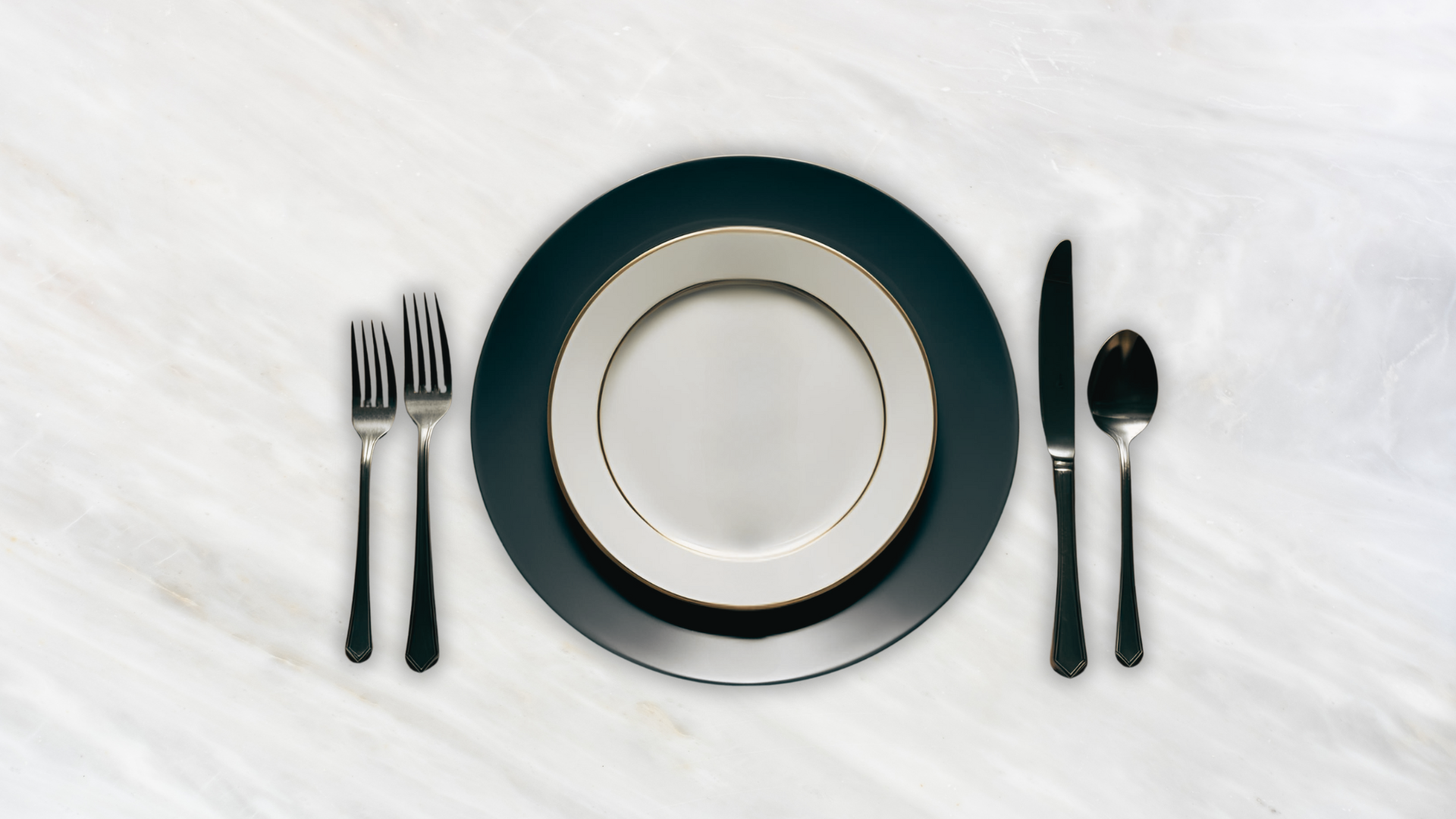
Dining at a formal table is about more than just eating, it’s a celebration of tradition, sophistication, and unspoken etiquette. One key aspect of this experience is understanding the art of cutlery placement, a subtle yet impactful way to communicate with servers and elevate the dining atmosphere. The way you position your silverware not only reflects polished dining skills but also conveys silent cues to the staff, ensuring a seamless and elegant experience.
Whether you’re hosting an upscale dinner or attending a fine dining event, this guide will help you navigate cutlery placement with confidence. Armed with these practical tips, you’ll impress your guests and enjoy every table setting like a true connoisseur.
The Language of Cutlery Placement
Cutlery placement is more than a formality; it’s a silent language that signals your intentions. From starting a meal to taking a pause or finishing a course, the position of your knife and fork communicates directly with the waiting staff. Here’s everything you need to know to dine like a pro.
1. Beginning Your Meal
When you first sit down, leave the cutlery as it’s arranged on the table. Typically, the fork is placed to the left, and the knife to the right, with the blade facing inward. Wait until everyone has been served or the host signals the start of the meal before picking up your silverware.
2. Pausing During the Meal
Need a break between bites? Place your knife and fork in an inverted V shape on your plate, with the knife blade pointing inward toward the fork. This universally recognized gesture lets the server know you’re pausing but not finished.
If dining in the United States, it’s also acceptable to rest your knife horizontally along the upper edge of the plate while the fork remains in the lower portion. However, the inverted V placement demonstrates a broader knowledge of international dining etiquette.
3. Signaling You’re Finished
When you’ve finished your course, position your knife and fork parallel to each other on the plate, with the handles pointing toward the lower right-hand corner. For multi-course meals, this same position signals that you’re ready for the next course. It’s a polite, silent cue that the server will appreciate.
Additional Tips for Fine Dining Etiquette
Polished dining etiquette extends beyond cutlery placement. To fully embrace the elegance of formal dining, keep these tips in mind:
- Never rest cutlery on the table: Once used, always place your utensils on the plate.
- Handle silverware with care: Avoid scraping or tapping your knife or fork against the plate.
- Keep gestures utensil-free: Refrain from waving cutlery while speaking; it disrupts the dining atmosphere.
- Follow the host’s cues: During formal meals, the host sets the pace. Wait for their lead before starting or moving to the next course.
Mastering the art of cutlery placement is a subtle yet transformative skill that enhances any dining occasion. It’s not just about following rules, it’s about contributing to the sophistication and flow of the meal. With practice, you’ll exude confidence and effortless refinement, leaving a lasting impression at any table.
Ready to take your hosting and dining expertise to the next level? Subscribe for more etiquette tips and entertaining ideas. From simple gatherings to unforgettable soirées, let’s create truly memorable dining experiences together.
Bon appétit!