
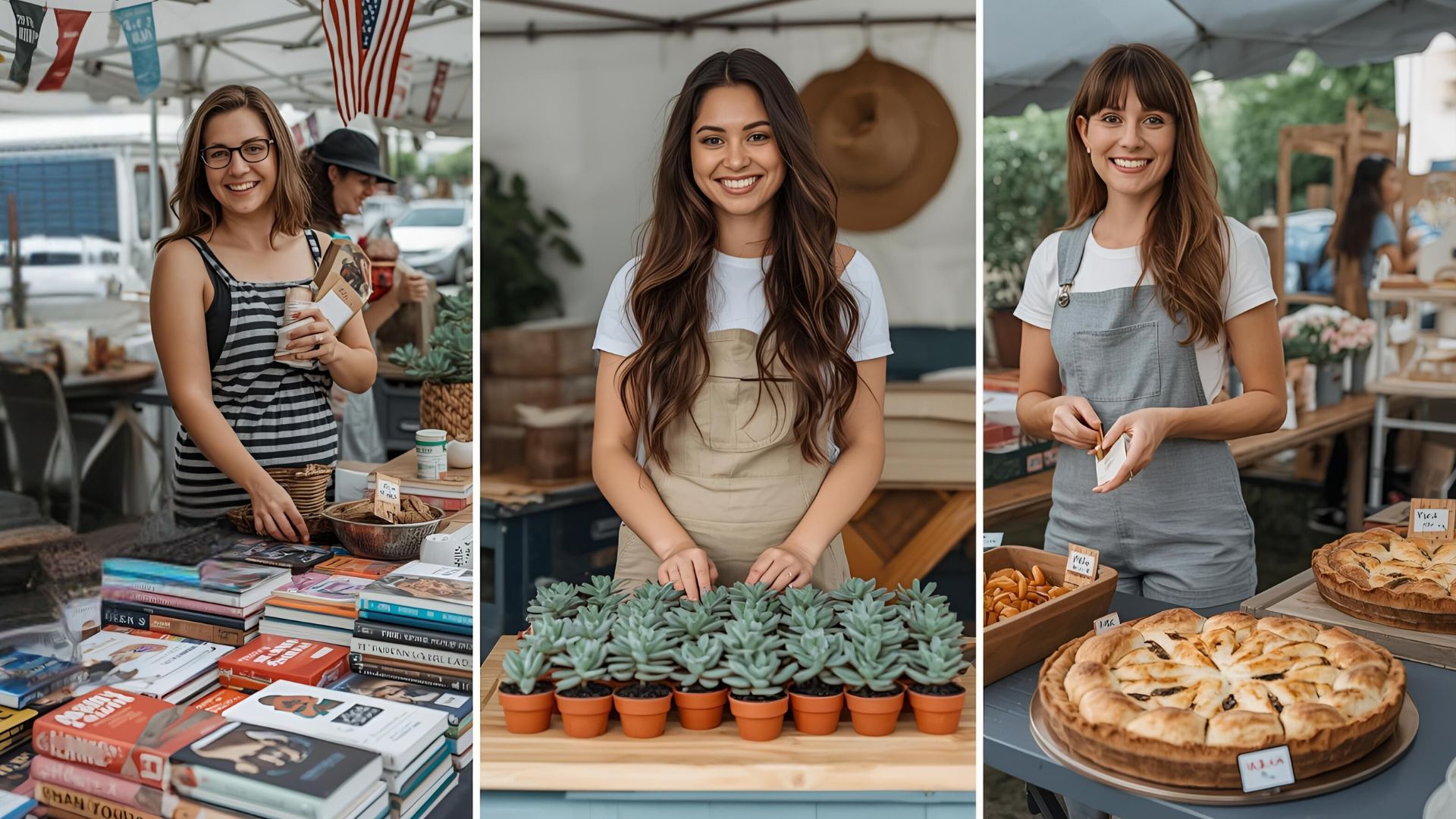
The Power of Pop-Up Markets
No matter where I am in the world I have found that each community, each neighborhood has its own marketplace. I love looking at what these places have to offer because you can learn so much about the people in a community by seeing what’s being sold. For example, Seattle has the famous Pike Place Market, where fishermen throw their daily catch across the stalls and farmers bring in armfuls of gorgeous flowers straight from the fields. Here in Southern California, we have The Original Farmers Market in Los Angeles, a local landmark that’s been around since 1934. And if you don’t feel like battling LA traffic, almost every community here hosts its own smaller farmers market – perfect for grabbing fresh produce, meats, and artisan specialties, all while meeting the people who make and grow them. From homemade delicacies to favorite books to different types of art, these pop-up markets tell a little story about each culture.
These pop-up markets or swaps, are more than just places to find unique items; they are powerful community builders. They offer a refreshing alternative to mainstream shopping, focusing on sustainability, local talent, and (perhaps most importantly) human connection.
That’s exactly what inspired me… the idea of gathering people together for an opportunity to connect, share, and celebrate what makes each community special. So, why not host your own pop-up market or swap? It’s a wonderful chance to learn more about your community, promote your friends’ talents, and discover a practical approach to thoughtful gift buying. Plus, you’ll find plenty of practical tips for planning a successful gathering that creates lasting memories.
Why Pop-Ups are a Game-Changer
Pop-up events are transforming how we think about commerce and community. They create temporary, vibrant hubs that benefit everyone involved, from the organizers and vendors to the attendees. Let’s look at what makes them so special.
Fostering a Stronger Community
Pop-up markets bring people together, making it easy for neighbors to connect over shared interests. These gatherings spark conversations, form new friendships, and help create a more connected, supportive community.
Promoting a Sustainable Lifestyle
Pop-up markets and swaps are a fun, practical way to reduce waste by giving new life to clothes, books, or other treasures you no longer need. They encourage mindful shopping and support local makers who use quality, sustainable materials… a win-win for you and the planet.
Supporting Local Creativity and Talent
Pop-up markets are a great way to spotlight local artists, makers, and entrepreneurs. They give creative people a place to share their talents, test out new ideas, and connect with the community. When you shop at these events, you’re helping neighbors chase their dreams and discover new possibilities.
How to Plan Your Own Pop-Up Event
Ready to bring your community together? Planning a pop-up is easier than you might think. Follow these steps to create a memorable event. Let’s get started.
- 📋Step 1: Create a List of People
Create a list of people you think have something to sell or trade. Your ultimate invite list doesn’t have to include only those with items to sell, but this gives you a good starting point. When reaching out, send invitations along with a list of ideas for what people could bring to spark inspiration and help everyone feel included.
Fun Ideas:
- Book Swap: Everyone brings gently used books to trade.
- Plant & Seed Exchange: Gardeners can share cuttings, seedlings, and seeds.
- Handmade Goods: Feature jewelry, pottery, candles, or art prints.
- Clothing Swap: A fun, sustainable way to refresh your wardrobe.
- Vintage Finds: Curate a collection of antiques, retro decor, or vintage clothing.
- Holiday Market: Focus on seasonal gifts, decorations, and festive treats.
Once you have this narrowed down, you will give you a good foundation and idea of space.
- 📍Step 2: Find the Perfect Venue
Your venue sets the tone for the event. It needs to be accessible, have enough space for your vendors and attendees, and fit your budget (which could be zero!).
Venue Options to Consider:
- Your Home or Yard: A backyard, patio, or cleared-out garage is perfect for a smaller, more intimate gathering.
- Local Parks: A great free option for a sunny day. Be sure to check with your local parks department for any permit requirements.
- Community Centers: Often available for a low fee and include useful amenities like tables and restrooms.
- Partner with a Local Business: Breweries, coffee shops, or boutiques may be happy to host, as your event will bring them new customers.
Consider foot traffic, parking, and a backup plan for bad weather. A flexible indoor-outdoor space is often ideal.
When choosing, think about foot traffic, parking, and weather. An indoor space with an outdoor option offers the most flexibility.
- 📣Step 3: Promote Your Event
Now it’s time to build the buzz! Effective promotion is key to ensuring a great turnout. Start promoting at least three to four weeks in advance.
Promotion Strategies:
- Create a Social Media Event: Make an event page on Facebook and share it widely. Post regular updates, sneak peeks of vendors, and a clear schedule.
- Design Eye-Catching Flyers: Create a simple, attractive digital flyer using a free tool like Canva. Share it online and print copies to post on community bulletin boards at libraries, cafes, and grocery stores.
- Contact Local Media: Send a press release or a friendly email to local bloggers, community newspapers, and radio stations. Frame it as a positive community story.
- Collaborate with Partners: If you’re working with a local business, ask them to promote the event through their channels as well. Cross-promotion is a powerful tool.
Make sure all your promotional materials clearly state the date, time, location, and theme of your event.
- 📦Step 4: Manage the Day-Of Logistics
On the day of the event, your role is to be the host and problem-solver.
A Quick Checklist:
- Arrive Early: Get to the venue ahead of time to set up tables, signage, and any decorations.
- Welcome Your Vendors: Greet your vendors, show them to their spots, and answer any questions.
- Create a Welcoming Atmosphere: Play some light background music. If possible, have a small welcome table with a sign-in sheet or a jar for donations if you have costs to cover.
- Engage with Attendees: Walk around, talk to people, and thank them for coming. Your positive energy is contagious.
- Have a Plan for Cleanup: Leave the venue cleaner than you found it. Enlist a few friends or vendors to help with the breakdown.
- 🤲Step 5: Cleanup and Donations
Cleanup doesn’t have to be difficult. Just a little planning goes a long way in wrapping up your event smoothly.
- Thoroughly clean all event areas.
- Gather leftover items like decorations, unsold goods, and food.
- Sort items for donation:
- Non-perishable food to a local food bank
- Clothing and goods to a donation center or charity
- Coordinate with vendors and attendees to streamline removal and donations.
- Ensure the venue is left in better condition than you found it.
- Support the local community and reduce waste by donating what you can.
Organizing a pop-up market or swap is a chance to actively build the kind of community you want to live in… one that is connected, sustainable, and supportive of your local community. Whether you start with a small book swap in your backyard or a full-blown artisan market in a park, you are creating a space for something wonderful to happen.
So go ahead, take the leap. Start planning your event today and watch as your community comes together to share, trade, and celebrate.